The Ultimate Guide to Vape Technology, Hardware, and Usage
The global popularity of the modern vape has fundamentally changed how adults approach alternative nicotine delivery. Over the past decade, personal vaporizers have evolved from basic cylindrical e-cigarettes into sophisticated, micro-processor-controlled disposable hardware platforms. Today’s disposable user can choose from compact refillable pods, long-lasting disposable units, customizable box mods, and high-efficiency ceramic thermal systems.
Whether you are new to the world of personal vaporizers or looking to upgrade your current setup, understanding how a disposable operates, what ingredients compose e-liquids, how to properly care for your battery, and how to troubleshoot common issues is essential. This comprehensive guide covers every aspect of disposable hardware engineering, maintenance, operating safety, and proper product selection.
1. How a Vape Works: The Core Architecture
At its foundation, every disposable device operates on basic electrical and thermal principles. While external shapes and feature sets vary, the internal workflow of any personal disposable remains consistent.
+-----------------------------------------------------------------------+
|                        VAPE DEVICE ANATOMY                            |
+-----------------------------------------------------------------------+
|  [ Mouthpiece ]       Ergonomic Airway Chimney                        |
|  [ E-Liquid Tank ]    Reservoir Housing E-Juice Formula               |
|  [ Heating Element ]  Mesh or Wire Coil Surrounded by Cotton Wick     |
|  [ Smart Chipset ]    Power Controller, Safety Board & Pressure Sensor|
|  [ Lithium Cell ]     Rechargeable Battery Supply (Internal/External)  |
+-----------------------------------------------------------------------+
When a user activates a vape—either by pressing a firing button or drawing air through an automatic pressure sensor—the device completes an internal circuit.
Power Delivery: The rechargeable vape battery sends current to the central heating element (the atomizer coil).
Thermal Transfer: The vape coil heats rapidly, transferring thermal energy directly to the e-liquid held within an surrounding cotton or ceramic wick.
Aerosolization: The liquid reaches its vaporization point, converting into a smooth mist aerosol.
Airflow Mixing: Fresh air enters through external intake vents on the vape housing, mixing with the vapor as it travels up the central chimney to the mouthpiece.
Modern vape chipsets continuously monitor electrical resistance, battery voltage, draw duration, and operating temperature to ensure consistent vapor output and prevent overheating.
2. Exploring Modern Vape Hardware Categories
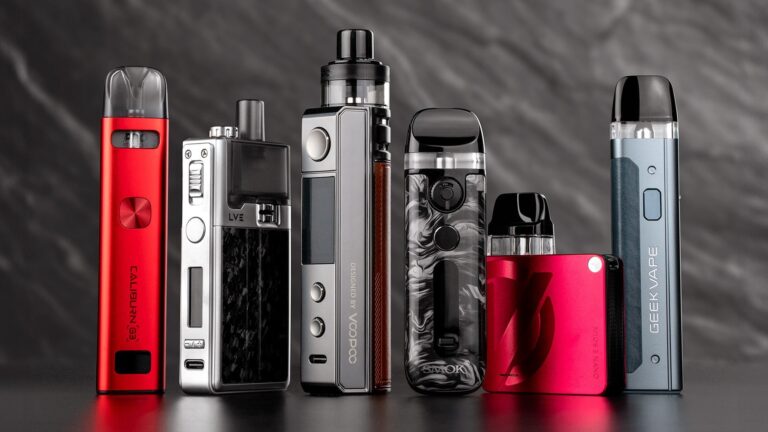
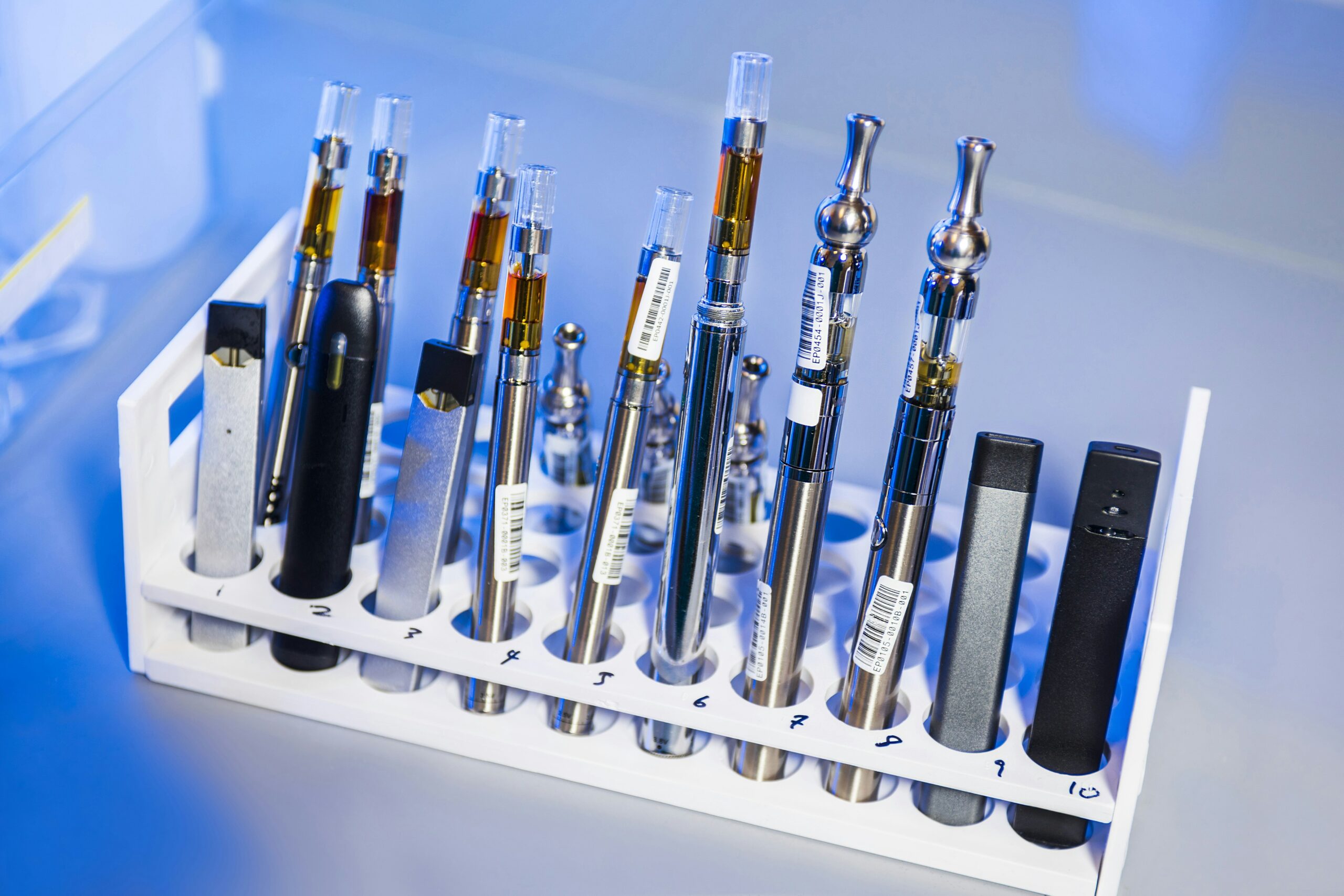
The market offers several distinct types of vape hardware setups designed for different experience levels, portability requirements, and usage styles.
+-----------------------------------------------------------------------------------+
|                        VAPE HARDWARE COMPARISON MATRIX                            |
+-----------------------------------------------------------------------------------+
|  Vape Type        | Best For                    | Primary Advantage               |
+-------------------+-----------------------------+---------------------------------+
|  Refillable Pod   | Daily Mobility & Nic Salts  | Compact, Leak-Resistant, Simple |
|  Disposable Vape  | Convenience & Zero Setup    | Pre-filled, Pre-charged, Easy   |
|  Vape Pen         | Intermediate Mouth-to-Lung  | Slim Form Factor, Reliable      |
|  Box Mod Vape     | Custom Power & Cloud Volume | High Wattage, Long Battery Life |
+-----------------------------------------------------------------------------------+
A. Refillable Pod Systems
A pod vape uses a small, detachable plastic cartridge instead of a traditional glass tank. These devices feature slim battery frames, lower power outputs, and high resistance coils (0.8 ohm to 1.2 ohm). A pod vape is ideal for users seeking a lightweight device that pairs well with nicotine salt formulations.
B. Disposable Devices
A single-use disposable vape arrives pre-filled with e-liquid and fully charged out of the packaging. Modern disposable vape units often incorporate rechargeable base ports (USB-C) to ensure the user can consume all e-liquid inside high-capacity reservoirs before disposing of the unit.
C. Disposable Pens
A classic disposable pen features a streamlined cylindrical shape with a single operational button. Operating mid-range power outputs, a disposable pen offers a middle ground between small pod systems and large adjustable box mods, delivering balanced airflow and reliable flavor.
D. Advanced Box Mods
For maximum customization, an advanced box mod disposable allows users to adjust wattage settings, fine-tune temperature curves, and swap external batteries (such as 18650 or 21700 lithium-ion cells). Paired with sub-ohm tanks (below 0.5 ohm resistance), a box mod disposable creates dense vapor clouds and intense flavor reproduction.
3. Understanding E-Liquid Formulations inside a Vape
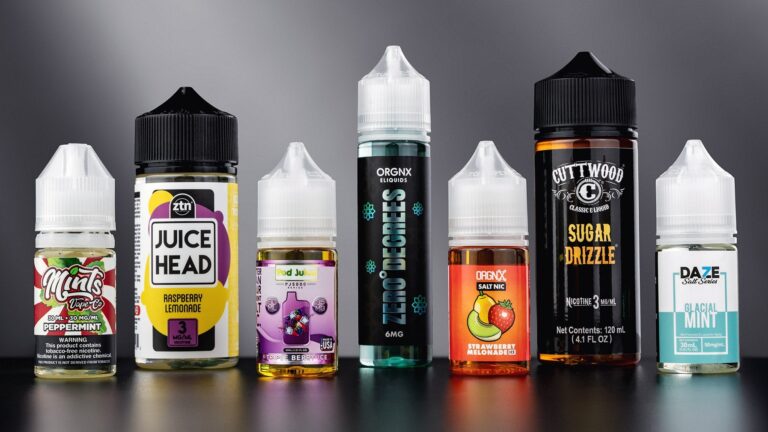
The liquid inserted into a disposable reservoir—commonly called e-liquid, e-juice, or disposable juice—contains four primary ingredients. Knowing what goes into your disposable liquid helps you choose formulas tailored to your hardware.
+-----------------------------------------------------------------------------------+
|                       E-LIQUID INGREDIENT COMPOSITION                             |
+-----------------------------------------------------------------------------------+
|  Ingredient               | Functional Role in Vape aerosol                       |
+---------------------------+-------------------------------------------------------+
|  Vegetable Glycerin (VG)  | Creates thick vapor clouds; adds mild natural sweetness|
|  Propylene Glycol (PG)    | Carries flavor notes; delivers crisp throat hit       |
|  Flavor Concentrates      | Provide fruit, mint, dessert, or tobacco flavor profile|
|  Nicotine Extract         | Delivers freebase or nicotine salt satisfaction       |
+-----------------------------------------------------------------------------------+
Vegetable Glycerin (VG) vs. Propylene Glycol (PG)
Every disposable liquid relies on a balance between VG and PG:
70VG / 30PG Ratio: Thicker consistency, ideal for high-wattage box mod vape tanks. Produces larger cloud volume with a smoother inhale.
50VG / 50PG Ratio: Thinner liquid consistency, optimized for low-wattage pod vape devices. Delivers a pronounced throat hit and rapid wick absorption.
Freebase Nicotine vs. Nicotine Salts
Traditional vape formulas utilize freebase nicotine, which becomes noticeably throat-hitting at higher concentrations. Nicotine salt vape formulas incorporate benzoic acid to lower pH levels, enabling smoother inhalation at higher strength levels in low-power pod hardware.
4. Maintenance & Best Practices for Your Vape
To extend the lifespan of your vape device and maintain pure flavor production, consistent maintenance is necessary.
Step 1: Inspect vape connection pins weekly & wipe dry
                         |
                         v
Step 2: Prime new coil with 3-4 drops of liquid before use
                         |
                         v
Step 3: Allow filled tank/pod to sit for 10 minutes
                         |
                         v
Step 4: Operate device within printed coil wattage ranges
                         |
                         v
Step 5: Recharge vape using safe 5V/1A or 5V/2A power source
Proper Coil Priming
When installing a new coil in your vape tank or pod:
Apply 3 to 4 drops of e-liquid directly onto the exposed cotton wick ports.
Insert the coil into your vape reservoir and fill the tank.
Wait 10 minutes before taking your first draw. This prevents the cotton inside your vape coil from scorching on initial firing.
Cleaning Electrical Terminals
Seepage can accumulate around the contact pins situated beneath a vape pod or tank. Wipe these contacts weekly using a dry cotton swab. Clean connection pins ensure uninterrupted electrical flow from your vape battery to the atomizer.
Battery Care Rules
Avoid Extreme Heat: Never leave your disposable in direct sunlight or inside a parked car.
Do Not Overcharge: Disconnect your disposable from the charger once the LED indicator signals a full charge.
Use Correct Adapters: Avoid ultra-high wattage laptop or tablet charging bricks; stick to standard 5V wall adapters to protect your disposable battery health.
5. Troubleshooting Common Vape Issues
Even high-end disposable hardware can occasionally experience minor performance glitches. Use this quick guide to resolve performance problems.
+-----------------------------------------------------------------------------------+
|                    VAPE TROUBLESHOOTING GUIDE                                     |
+-----------------------------------------------------------------------------------+
|  Problem           | Likely Cause                     | Fix / Solution            |
+--------------------+----------------------------------+---------------------------+
|  Burnt Taste       | Dry wick / Over-wattage          | Lower wattage; replace coil|
|  Leaking Liquid    | Worn O-rings / Over-filling      | Replace seals; leave air  |
|  No Vapor Produced | Dirty pins / Depleted battery    | Clean pins; recharge vape |
|  Gurgling Sound    | Flooded central air chimney      | Tap mouthpiece on tissue  |
|  Tight Airflow     | Air intake holes blocked by lint | Clean air vents with pin  |
+-----------------------------------------------------------------------------------+
Resolving a Flooded disposable Coil
If your disposable gurgles or spits liquid into your mouth:
Remove the pod or tank from your disposable body.
Turn it upside down over a dry paper towel.
Tap the base gently to dislodge excess liquid trapped in the central airflow chimney.
6. Safety Standards and Industry Innovation
The personal disposable industry continues to focus on product safety, micro-chip intelligence, and manufacturing compliance. Modern disposable devices incorporate multiple hardware protections:
8-Second Cut-off Protection: Prevents a disposable from firing continuously if the button is pressed accidentally in a pocket or bag.
Short-Circuit Protection: Automatically cuts off power if a damaged disposable coil breaks connection.
Over-Discharge Safeguards: Prevents internal lithium disposable batteries from draining past safe voltage thresholds.
Child-Resistant Locks: Requires 3 to 5 fast button clicks to activate or deactivate the disposable power system.
Additionally, premium disposable brands subject their hardware and e-liquid formulations to emissions testing, batch-level quality control, and tamper-evident packaging to protect consumers.
7. Frequently Asked Questions (FAQ)
How does a standard disposable device convert liquid into vapor?
A disposable operates by drawing electrical power from an internal battery to heat an atomizer coil. The coil vaporizes e-liquid saturated inside a cotton or ceramic wick, producing an inhalable aerosol.
What is the primary difference between a pod vape and a box mod vape?
A pod disposable is compact, operates at lower wattage, and uses replaceable plastic cartridges suited for nicotine salts. A box mod disposable features larger external batteries, adjustable wattage settings, sub-ohm tanks, and higher vapor cloud output.
How often should I replace the coil inside my disposable?
A disposable coil typically lasts between one to two weeks depending on usage frequency, power settings, and e-liquid sweetness. Replace the coil whenever you notice reduced flavor quality or a burnt taste.
How should I charge my disposable safely to preserve battery life?
Charge your disposable using the original manufacturer cable connected to a standard 5V/1A or 5V/2A wall block. Avoid high-wattage phone chargers, do not leave your disposable connected overnight, and charge on hard, non-flammable surfaces.
Operating a disposable safely and efficiently relies on selecting quality hardware, matching your e-liquid formula to your coil resistance, and practicing regular battery maintenance. By following proper coil priming procedures, keeping battery terminals clean, and adhering to charging guidelines, you ensure a consistent, clean, and satisfying experience from your disposable device every time.
Choosing a disposable Based on Information Rather Than Marketing
When evaluating vaping products, avoid making decisions solely on:
- Puff-count claims
- Large battery numbers
- Flavor names
- Advertising slogans
- Claims of extreme performance
Instead, compare objective specifications such as:
- Battery type
- Battery capacity
- Liquid capacity
- Coil design
- Refillability
- Manufacturer information
- Regulatory status
- Warranty or support information
A transparent product description is generally more useful than exaggerated advertising.
disposable and Smoking
Vaping and smoking are different forms of exposure.
Traditional cigarettes burn tobacco, producing smoke containing numerous harmful substances.
Vaping devices heat liquid or other materials rather than burning tobacco.
However, vaping is not harmless, and it should not be presented as completely risk-free.
Adults who currently smoke and are considering changing their nicotine use should seek evidence-based cessation information and professional guidance where appropriate.
Frequently Asked Questions
What is a disposable?
A vape is an electronic device that heats a liquid or other material to produce an aerosol for inhalation.
How does a disposable work?
A battery powers a heating element, which heats the liquid or material and produces an aerosol that can be inhaled.
What are the main parts of a disposable?
Common components include a battery, heating element, reservoir or pod, airflow system, mouthpiece, and sometimes a sensor or activation button.
Are all vapes rechargeable?
No. Some devices are rechargeable, while others are designed as non-rechargeable products.
How do I know whether a vape is rechargeable?
Check the packaging and manufacturer instructions. A charging port does not necessarily mean that every component is designed for indefinite reuse.
What should I do if my vape gets very hot?
Stop using the device and disconnect it from power if it is charging. Allow it to cool in a safe location. Do not continue using a device that repeatedly overheats.
Can I charge a damaged disposable?
No. A damaged, swollen, leaking, or unusually hot battery should not be charged.
Why is my disposable not producing vapor?
Possible causes include a depleted battery, empty pod, blocked airflow, faulty coil, poor connection, or electronic failure.
What is disposable liquid made of?
Formulations vary, but e-liquids may contain propylene glycol, vegetable glycerin, flavorings, nicotine, and other permitted ingredients.
Is nicotine addictive?
Yes. Nicotine is an addictive substance and can cause dependence.
Are disposable safe?
Vaping is not risk-free. Potential risks depend on the product, ingredients, frequency of exposure, and individual circumstances.
How should I dispose of a disposable?
Follow local electronic-waste and battery-recycling requirements and the manufacturer’s disposal instructions.
Conclusion
A disposable is a battery-powered electronic device that heats a liquid or other material to produce an inhalable aerosol. Modern devices include vape pens, pod systems, rechargeable products, and larger advanced systems.
Understanding the components, battery systems, liquid formulations, maintenance requirements, and safety considerations can help consumers interpret product information more effectively.
The most important considerations are responsible handling, appropriate battery care, accurate product information, legal compliance, and awareness that vaping is not risk-free.
Anyone who uses a vaping device should follow the manufacturer’s instructions, keep products away from children and pets, and seek professional guidance when uncertain about battery safety or nicotine use.