What to Do If Your Disposable Vape Gets Wet or Drops in Water
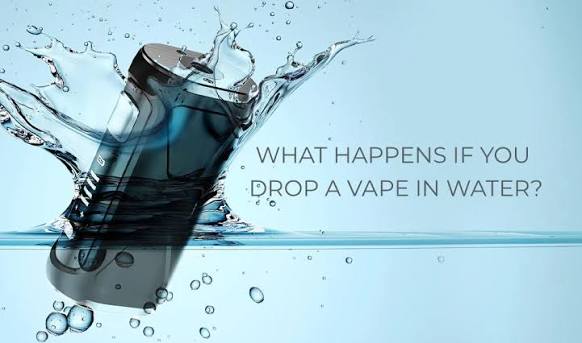
It happens in a split second: your disposable vape slips out of a hoodie pocket into a bathroom sink, tumbles into a puddle on a rainy sidewalk, gets caught in a sudden downpour, or takes an accidental dive at the beach or poolside. What to Do If Your Disposable Vape Gets Wet
Your immediate reflex is almost always the same—grab it out of the water, wipe it off on your shirt, and take a quick test puff to see if it still works. That single test puff is the most dangerous move you can make. What to Do If Your Disposable Vape Gets Wet
Unlike rugged IP67-rated waterproof box mods engineered with sealed rubber gaskets and potted circuit boards, standard disposable vapes are not waterproof. Inside that sleek plastic or aluminum shell sits a live 3.7V lithium-ion battery cell, an unsealed printed circuit board (PCB), a pneumatic auto-draw air sensor, and a mesh heating coil—all accessible through open air vents at the top and bottom. When conductive water enters those openings, testing the device or plugging in a USB-C charger can bridge live electrical traces, trigger nonstop auto-firing, or overheat the internal lithium cell. What to Do If Your Disposable Vape Gets Wet
In this comprehensive safety and troubleshooting manual on What to Do If Your Disposable Vape Gets Wet or Drops in Water, we walk you through an exact emergency response protocol, explain why freshwater vs. saltwater vs. soapy water carries vastly different risks, show you how to safely dry a lightly splashed device over 24 to 48 hours, and outline clear red-flag signs that mean a water-damaged disposable must be retired immediately. What to Do If Your Disposable Vape Gets Wet
1. First 60 Seconds: Emergency Triage When Your Vape Hits Water
The moment your disposable vape comes into contact with water, resist every urge to inhale or plug in a cable. Follow this immediate five-step safety sequence: What to Do If Your Disposable Vape Gets Wet
  FIRST 60 SECONDS EMERGENCY WATER-DROP PROTOCOL

  [ 1. Retrieve Immediately ] ──► Pull device out of water; DO NOT inhale or press any button!
  [ 2. Shake Out Trapped Water ] ──► Flick gently mouthpiece-down & port-down into a folded towel.
  [ 3. Check for Heat / Hissing ] ──► Feel casing for warmth or sizzling; if hot, set on concrete outside!
  [ 4. Blot Exterior & Ports  ] ──► Dab dry with paper towel; twist corner gently into mouthpiece/USB-C.
  [ 5. Isolate & Dry 24–48 Hrs ] ──► Leave untouched in warm, airy spot (or with silica gel packets).
Why You Must Never Take a “Test Puff” Right Away
When you inhale from a wet disposable vape, two things happen simultaneously:
Suction Pulls Water Deeper Inside: Negative air pressure draws lingering water droplets from the top mouthpiece and bottom air intakes straight across the microcontroller board and into the auto-draw sensor diaphragm.
Electrical Current Bridges Wet Circuits: Water containing dissolved minerals conducts electricity across closely spaced solder points on the PCB—causing instant short circuits that can permanently fry the chip or weld the firing MOSFET stuck in the “ON” position.
- What to Do If Your Disposable Vape Gets Wet
2. Water Type & Submersion Matrix: Can Your Disposable Be Saved?
Not every water accident carries the same outcome. Whether a disposable vape can safely recover depends on how deeply it was submerged and what kind of liquid it fell into: What to Do If Your Disposable Vape Gets Wet
+----------------------------------------------------------------------------------------------------+
|                      WATER EXPOSURE SEVERITY & RECOVERY VERDICT MATRIX                             |
+------------------------------+-----------------------+---------------------------------------------+
| Type of Water Exposure       | Internal Corrosion &  | Safety Verdict & Next Action                |
|                              | Short-Circuit Risk    |                                             |
+------------------------------+-----------------------+---------------------------------------------+
| Light Rain Splash or Wet     | Low                   | High chance of safe recovery. Blot dry,     |
| Countertop Puddle (<2 secs)  | (Surface moisture     | air-dry 24 hours in warm room, inspect LED  |
|                              | near outer vents)     | before testing cautiously.                  |
+------------------------------+-----------------------+---------------------------------------------+
| Brief Freshwater Submersion  | Moderate – High       | Uncertain. Shake out ports, dry 48 hours    |
| (Clean Sink, Cup of Water,   | (Water entered air    | with silica gel; discard immediately if any |
| <5 Seconds)                  | channel & sensor)     | warmth, hissing, or blinking occurs.        |
+------------------------------+-----------------------+---------------------------------------------+
| Ocean Saltwater, Chlorinated | Severe / Permanent    | DO NOT ATTEMPT TO USE OR CHARGE. Salt and   |
| Pool, or Soapy Dishwater     | (Conductive crystals  | chlorine corrode copper PCB traces rapidly  |
|                              | corrode lithium cell) | even after drying—recycle immediately.      |
+------------------------------+-----------------------+---------------------------------------------+
| Deep Submersion (>10 Secs)   | Severe / Permanent    | DO NOT ATTEMPT TO USE OR CHARGE. Saturated  |
| or Washing Machine Cycle     | (Water inside wick    | cotton wick & flooded battery bay pose      |
|                              | & battery housing)    | thermal and chemical hazards—recycle.       |
+------------------------------+-----------------------+---------------------------------------------+
Why Saltwater and Pool Water Are Automatic Dealbreakers
Fresh tap water evaporates leaving minimal mineral residue behind. Saltwater and chlorinated swimming pool water are aggressively conductive electrolytes. Even if you dry a saltwater-soaked disposable for three full days, microscopic salt crystals remain encrusted across the circuit board and battery terminals—attracting ambient humidity and causing delayed electrochemical corrosion and short circuits days later. Always discard any disposable dropped in the ocean or a pool. What to Do If Your Disposable Vape Gets Wet
3. Step-by-Step: How to Safely Dry Out a Lightly Wet Disposable Vape
If your disposable vape experienced only a brief splash or quick dip in clean freshwater—and shows zero heat, hissing, or self-firing—give it a thorough, patient drying cycle before deciding whether to use it: What to Do If Your Disposable Vape Gets Wet
  24-TO-48-HOUR SAFE DRYING PIPELINE

  [ Step 1: Gravity Drain ] ──► [ Step 2: Absorb Port Moisture ] ──► [ Step 3: Silica Gel / Airflow Dry ] ──► [ Step 4: Safety Check ]
Gravity-Drain Both Ends Onto a Paper Towel: Hold the device firmly and give it three gentle downward flicks with the mouthpiece facing down onto a folded paper towel, then three gentle downward flicks with the bottom airflow/USB-C base facing down.
Wick Moisture Out of the Mouthpiece & Charging Port: Twist the corner of a dry paper towel into a narrow point and gently dab inside the top mouthpiece opening (stopping 5mm deep) and inside the bottom USB-C port to pull out clinging water droplets. Never shove metal pins or cotton fuzz deep inside the charging socket.
- What to Do If Your Disposable Vape Gets Wet
Use Silica Gel Packets or Open Room Airflow (24 to 48 Hours): Place the vape upright inside a small open container surrounded by silica gel desiccant packets (the little moisture-absorbing packets packed inside shoe boxes and vitamin bottles), or set it upright on a dry towel near a gentle room-temperature fan for 24 to 48 hours.
Perform a Visual & Thermal Check Before Testing: After 24–48 hours, inspect the outer shell for any swelling, warped plastic, rust around the USB-C port, or strange chemical odors. If the casing looks 100% normal and feels cool to the touch, take a gentle, half-second test draw—holding the device away from your face slightly on the first pull to confirm normal operation.
- What to Do If Your Disposable Vape Gets Wet
Why You Should Skip Uncooked Rice and Hot Hair Dryers
Skip the Bowl of Rice: Uncooked white rice absorbs moisture far more slowly than open air circulation—and worse, fine rice starch dust drifts straight into bottom airflow intakes and USB-C charging ports, turning into gummy paste when it meets lingering moisture.
Skip High-Heat Hair Dryers & Ovens: Aiming hot air at a disposable vape heats the sealed lithium-ion battery cell past safe thermal thresholds, warps internal silicone seals so e-liquid floods the electronics, and can permanently damage the battery. Stick strictly to room-temperature airflow or silica gel packets.
- What to Do If Your Disposable Vape Gets Wet
4. Red-Flag Warning Signs: When a Wet Vape Must Be Discarded Immediately
Never gamble with a water-damaged lithium-ion battery. If your disposable vape exhibits any of the six warning signs below after getting wet, stop handling it and isolate it immediately: What to Do If Your Disposable Vape Gets Wet
+----------------------------------------------------------------------------------------------------+
|                      SIX RED-FLAG WARNING SIGNS OF A DANGEROUS WATER-DAMAGED VAPE                  |
+----+------------------------------------+----------------------------------------------------------+
| #  | Warning Symptom                    | What Is Happening Inside & Immediate Safety Action       |
+----+------------------------------------+----------------------------------------------------------+
| 1  | Firing / Sizzling On Its Own       | Water bridged the auto-draw sensor; coil is firing       |
|    | ("Auto-Firing" Without Inhaling)   | nonstop. Place outside on concrete/brick immediately!    |
+----+------------------------------------+----------------------------------------------------------+
| 2  | Device Feels Warm or Hot While     | Internal battery short circuit draining energy as heat.  |
|    | Sitting Idle                       | Move outdoors away from flammable items until cool.      |
+----+------------------------------------+----------------------------------------------------------+
| 3  | Rapid, Erratic LED Blinking        | Microcontroller detected abnormal short-circuit fault.   |
|    | Without Being Touched              | Do not plug into USB-C; retire and recycle unit.         |
+----+------------------------------------+----------------------------------------------------------+
| 4  | Hissing, Popping, or Sweet         | Battery cell venting or overheating internal components. |
|    | Chemical / Metallic Odor           | Keep outdoors in a metal bucket/sand until cold.         |
+----+------------------------------------+----------------------------------------------------------+
| 5  | Swollen, Bulging, or Warped        | Internal lithium pouch cell swelling from gas buildup.   |
|    | Outer Plastic/Metal Casing         | Zero chance of safe use; dispose at hazardous e-waste.   |
+----+------------------------------------+----------------------------------------------------------+
| 6  | Gurgling Water / Diluted Taste     | Water soaked into the internal cotton wick alongside     |
|    | After 48 Hours of Drying           | e-liquid; coil will sputter hot steam—replace device.    |
+----+------------------------------------+----------------------------------------------------------+
5. How to Safely Dispose of a Water-Damaged Disposable Vape
Because every disposable vape contains an integrated lithium-ion battery, throwing a water-damaged unit into your kitchen trash bin or curbside recycling cart creates a serious fire hazard inside garbage trucks and sorting facilities. What to Do If Your Disposable Vape Gets Wet
Confirm the Device Is Completely Cool & Inactive: Leave a water-damaged disposable outdoors on a non-flammable surface (such as a concrete patio or brick step) for several hours until you are 100% certain no auto-firing or warmth remains.
Tape Over the Bottom Airflow & USB-C Port: Wrap a strip of electrical tape or clear packing tape across the bottom air holes and charging port to prevent accidental airflow triggering or metal contact during transport.
Drop Off at an E-Waste or Battery Recycling Facility: Take the taped unit to a local municipal household hazardous waste drop-off, a Call2Recycle battery kiosk (found at major home improvement and electronics retailers), or a local vape shop that participates in lithium e-waste recycling.
- What to Do If Your Disposable Vape Gets Wet
6. Three Smart Habits to Protect Your Vape Around Water
If you spend weekends near lakes, beaches, pools, or rainy commutes, three simple precautions keep your hardware dry:
Use a Waterproof Dry Pouch or Ziploc Bag Outdoors: Whenever kayaking, boating, or sitting poolside, keep your vape sealed inside a $5 waterproof lanyard pouch or heavy-duty freezer bag.
Keep Devices Out of Loose Shirt & Hoodie Pockets: Shallow chest pockets and loose sweatshirt pouches are responsible for over half of accidental sink, toilet, and puddle drops whenever you bend forward.
Consider an IP67/IP68 Rugged Pod Mod for Outdoor Work: If you work in construction, landscaping, or marine environments, consider upgrading from fragile disposables to an IP67/IP68 shockproof and water-resistant pod mod (such as the Geekvape Aegis Boost or Hero series) engineered specifically to survive accidental water exposure.
- What to Do If Your Disposable Vape Gets Wet
Final Verdict
Knowing What to Do If Your Disposable Vape Gets Wet or Drops in Water comes down to prioritizing lithium-ion safety over saving a $15 device. Never inhale from or plug in a freshly soaked disposable vape—shake trapped moisture out onto a paper towel immediately, check for warmth or auto-firing, and allow lightly splashed freshwater devices 24 to 48 hours of room-temperature drying with silica gel packets before cautious testing. If your vape fell into saltwater, pool water, or soapy water, stayed submerged for more than a few seconds, or shows any sign of auto-firing, heat, swelling, or erratic LED blinking, isolate it outdoors until cool and recycle it safely at a lithium battery drop-off bin. What to Do If Your Disposable Vape Gets Wet
Frequently Asked Questions
Is it safe to hit a disposable vape after it drops in water?
Never inhale from or plug in a disposable vape immediately after it drops in water. Water bridges electrical contacts on the internal circuit board and pneumatic auto-draw sensor, which can cause sudden short circuits, overheating, or auto-firing. If the device was briefly splashed with clean freshwater and dried thoroughly for 24 to 48 hours without any hissing, heat, or blinking errors, it may survive—but any device submerged deeply, dropped in saltwater, or showing signs of heat or auto-firing must be discarded safely. What to Do If Your Disposable Vape Gets Wet
Why did my disposable vape start firing on its own after getting wet?
Disposable vapes use a microscopic pneumatic pressure sensor that triggers electrical current to the coil. When water seeps inside the casing and bridges the sensor’s conductive contacts, the chipset thinks you are inhaling continuously—causing the coil to fire nonstop until the 8-second safety cutoff trips or the battery drains. Place the device outdoors on a non-flammable surface like concrete or brick immediately until it cools completely. What to Do If Your Disposable Vape Gets Wet
Should I put a wet disposable vape in uncooked rice or use a hair dryer?
Neither is recommended. Uncooked rice sheds fine starch dust that clogs bottom airflow holes and USB-C ports, while a hot hair dryer can overheat the sealed lithium-ion battery or warp internal seals. Instead, shake out trapped water onto a paper towel and place the device in a warm, well-ventilated spot—or inside a sealed container with silica gel desiccant packets—for 24 to 48 hours. What to Do If Your Disposable Vape Gets Wet