
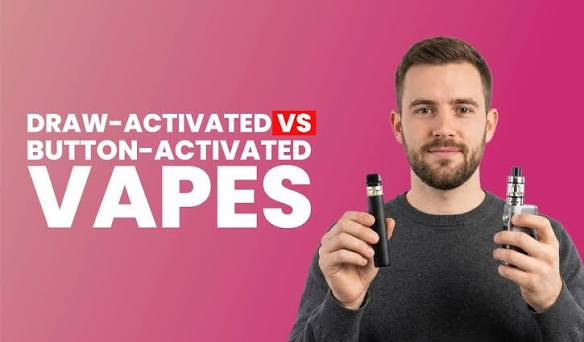
Auto-Draw Sensors vs. Button-Activated Vapes: Pros and Cons
When shopping for a new refillable pod system, pod mod, or compact starter kit, one of the most overlooked design choices on the spec sheet is how the device actually fires: does it rely on a pneumatic auto-draw sensor that triggers the moment you inhale, a tactile physical fire button pressed with your thumb or index finger, or a dual-activation hybrid chipset that gives you both? Auto-Draw Sensors vs. Button-Activated Vapes
To a casual buyer, firing style seems like a purely ergonomic preference—buttons feel familiar if you grew up on classic box mods, while buttonless sticks feel sleek and effortless if you are transitioning from cigarettes or disposables. Auto-Draw Sensors vs. Button-Activated Vapes
In daily use, however, auto-draw sensors and physical fire buttons operate on completely different mechanical principles. One uses an ultra-sensitive acoustic/barometric pressure membrane vulnerable to e-liquid condensation and wide-open airflow; the other uses a sealed mechanical micro-switch capable of instant zero-lag coil ramp-up, yet prone to accidental pocket firing if you forget to lock it. Auto-Draw Sensors vs. Button-Activated Vapes
In this comprehensive editorial comparison of Auto-Draw Sensors vs. Button-Activated Vapes: Pros and Cons, we look inside the engineering of both firing systems, weigh their real-world strengths and failure modes across MTL pods, RDL setups, and sub-ohm tanks, and explain why modern dual-activation pod systems with button-lock modes have emerged as the smartest compromise in 2026. Auto-Draw Sensors vs. Button-Activated Vapes
1. Under the Hood: How Auto-Draw Sensors vs. Fire Buttons Actually Work
Before comparing pros and cons, look at the physical hardware inside the battery chassis that sends electrical current to your coil: Auto-Draw Sensors vs. Button-Activated Vapes
  INSIDE THE CHASSIS: PNEUMATIC AUTO-DRAW SENSOR VS. TACTILE MICRO-SWITCH BUTTON

  Pneumatic Auto-Draw Sensor (Draw-Activated):
  [ You Inhale ] ──► Negative air pressure pulls microscopic silicone diaphragm upward
                 ──► Conductive plate closes circuit ──► Chipset fires coil (15–40ms delay)

  Tactile Fire Button (Manual Switch-Activated):
  [ Thumb Press ] ──► Physical dome switch clicks closed instantaneously
                  ──► Chipset fires coil immediately (0–5ms instant ramp-up)
1. How Auto-Draw Sensors Work
Tucked inside the upper battery bay of every buttonless pod system and disposable vape sits a miniature electret condenser or MEMS barometric pressure sensor—roughly the size of a grain of rice. Auto-Draw Sensors vs. Button-Activated Vapes
Pressure-Differential Trigger: When you wrap your lips around the mouthpiece and inhale, air rushes past a tiny intake channel connected to that sensor. The sudden drop in air pressure flexes a microscopic membrane upward, closing an electronic switch that tells the microcontroller to send power to the coil.
Why Draw Force Matters: Because the membrane requires a measurable pressure drop to flex, auto-draw sensors respond best to restricted Mouth-to-Lung (MTL) airflow where air velocity past the sensor is brisk.
- Auto-Draw Sensors vs. Button-Activated Vapes
2. How Button-Activated Vapes Work
Button-activated vapes use a sealed tactile dome micro-switch mounted directly onto the printed circuit board beneath a metal or polycarbonate trigger button.
Direct Mechanical Contact: Pressing the button physically bridges two gold-plated contacts with zero reliance on air velocity, lung suction, or airflow slider position. Whether your airflow ring is wide open at 100% or closed down to a pinhole, pressing the button delivers full regulated wattage the exact millisecond your finger clicks down.
- Auto-Draw Sensors vs. Button-Activated Vapes
2. Master Comparison Matrix: Auto-Draw vs. Button-Activated Vapes
Compare both firing mechanisms side-by-side across reliability, responsiveness, pocket safety, and hardware compatibility: Auto-Draw Sensors vs. Button-Activated Vapes
+----------------------------------------------------------------------------------------------------+
|                  AUTO-DRAW SENSORS VS. BUTTON-ACTIVATED VAPES MASTER COMPARISON MATRIX             |
+------------------------------+-----------------------------------+---------------------------------+
| Performance & Practical      | Auto-Draw Sensor Vapes            | Button-Activated Vapes          |
| Benchmark                    | (Draw-Activated Pods/Disposables) | (Tactile Switch Mods & Pods)    |
+------------------------------+-----------------------------------+---------------------------------+
| Ease of Use & Cigarette      | 10/10 — Effortless, intuitive     | 7.5/10 — Requires thumb/finger  |
| Transition Feel              | hands-free inhale; zero buttons.  | coordination on every puff.     |
+------------------------------+-----------------------------------+---------------------------------+
| Firing Speed & Coil          | Slight 20–40ms lag; relies on     | Instant 0ms ramp-up; lets you   |
| Ramp-Up Control              | inhale suction to start heating.  | pre-heat coil 0.3s pre-inhale.  |
+------------------------------+-----------------------------------+---------------------------------+
| Accidental Pocket Firing     | Virtually Zero — cannot fire     | Moderate-to-High unless locked  |
| Safety                       | without active suction pressure.  | via 3/4-click or slide switch.  |
+------------------------------+-----------------------------------+---------------------------------+
| Resistance to E-Liquid       | Vulnerable — leaked condensation  | High — sealed tactile switches  |
| Condensation & Leaks         | can gum up or short diaphragm.    | tolerate minor bay moisture.    |
+------------------------------+-----------------------------------+---------------------------------+
| Wide-Open Airflow & Sub-Ohm  | Poor — wide airflow reduces       | Unlimited — fires reliably at   |
| DTL Compatibility            | suction pressure needed to trigger| 10W MTL or 150W wide-open DTL.  |
+------------------------------+-----------------------------------+---------------------------------+
| Overall Mechanical Lifespan  | Moderate (12–18 months typical    | High (2–3+ years; tactile dome  |
|                              | before diaphragm wears or fouls). | switches rated for 100k clicks).|
+------------------------------+-----------------------------------+---------------------------------+
3. Auto-Draw Sensors: Detailed Pros and Cons
Buttonless pod systems—such as the Vaporesso XROS 4 Mini, Uwell Caliburn G3 Lite, and virtually all modern disposable vapes—have become the default starting point for everyday pod users. Here is why vapers love them, and where they occasionally frustrate: Auto-Draw Sensors vs. Button-Activated Vapes
Pros of Auto-Draw Sensors
Unmatched Cigarette-Like Intuitiveness: For adult smokers transitioning off combustible cigarettes, having zero buttons to press, zero wattage menus to navigate, and zero lock sequences to remember removes all friction. You simply pick it up and inhale.
Hands-Free & Driving-Friendly Ergonomics: Because auto-draw sticks are featherlight (often 35g–45g) and require no thumb grip position, you can hold them comfortably in any hand orientation—or take a quick draw while keeping both hands steady on a steering wheel or keyboard.
True Pocket Safety Without Locking: Unless extreme wind blows directly across the intake hole, an auto-draw device will never accidentally fire inside your jeans pocket or gym bag—eliminating the #1 cause of scorched coils on button mods.
- Auto-Draw Sensors vs. Button-Activated Vapes
Cons of Auto-Draw Sensors
Sensitivity to Leaked E-Liquid Condensation: Because the pressure sensor sits directly beneath the pod cartridge to sense airflow, any e-liquid leak or heavy condensation buildup inside the battery bay can coat the sensor diaphragm. Once gummed up with sticky Vegetable Glycerin, the sensor either stops firing completely or gets stuck “on” for two seconds after you stop inhaling (auto-firing).
Cutoff Hiccups With Wide-Open Airflow: If you open your pod’s side airflow slider to 100% and take a soft, slow breath, air velocity across the diaphragm may drop below the sensor’s trigger threshold—causing the vape to sputter on and off mid-puff.
No Ability to “Pre-Fire” Thick Coils: With larger 0.4Ω or 0.6Ω mesh coils, pressing a button a fraction of a second before inhaling warms the mesh so your very first millisecond of draw is full-bodied vapor. Auto-draw sensors always lag slightly behind the start of your breath.
- Auto-Draw Sensors vs. Button-Activated Vapes
4. Button-Activated Vapes: Detailed Pros and Cons
From classic regulated box mods (like the Geekvape Aegis Legend and Vaporesso Armour) to button-driven pod mods, physical fire buttons remain the gold standard for power, precision, and durability. Auto-Draw Sensors vs. Button-Activated Vapes
Pros of Button-Activated Vapes
Zero-Lag Instant Ramp-Up & Thermal Control: Pressing a physical button sends full wattage to your coil the instant your thumb clicks down. You can hold the button for 0.3 seconds before inhaling to pre-warm denser mesh coils, and release the button 0.5 seconds before finishing your inhale to clear lingering vapor out of the chimney—a technique that dramatically reduces condensation and extends coil life.
100% Immune to Airflow Pressure Drop: Whether you run a razor-tight 1.2Ω MTL draw or a wide-open 90-watt Direct-to-Lung sub-ohm tank, a physical button fires with rock-solid consistency every single time.
Superior Long-Term Hardware Reliability: Even if a pod weeps a few drops of e-liquid into the battery bay, wiping the pins dry gets a button-activated device working again immediately—whereas a flooded auto-draw diaphragm can be permanently ruined.
- Auto-Draw Sensors vs. Button-Activated Vapes
Cons of Button-Activated Vapes
Accidental Pocket & Bag Firing Risk: If you drop an unlocked button vape into a tight pocket or cluttered purse, pressure against the trigger button will fire the coil continuously until the 8-to-10-second safety cutoff kicks in—instantly burning the cotton wick to ash and draining the battery.
Requires Deliberate Thumb Ergonomics: You always have to orient the device in your hand so your thumb or index finger aligns naturally with the fire button.
- Auto-Draw Sensors vs. Button-Activated Vapes
5. The Best of Both Worlds: Dual-Activation Pod Systems (With Button Lock)
Recognizing that vapers want the effortless convenience of auto-draw without sacrificing the instant ramp-up and backup reliability of a physical button, leading manufacturers perfected dual-activation pod systems—including the Vaporesso XROS Pro, OXVA Xlim Pro 2, Uwell Caliburn G3, and Geekvape Sonder/Wenax Q Pro. Auto-Draw Sensors vs. Button-Activated Vapes
  HOW DUAL-ACTIVATION POD SYSTEMS SOLVE EVERY COMPROMISE

  [ Unlocked Mode (At Desk / Home) ]
  • Both Auto-Draw Sensor AND Physical Fire Button are active.
  • Use thumb button for instant pre-heat or auto-draw for hands-free relaxing.

  [ Button-Lock Mode (3 or 4 Rapid Clicks / Physical Side Lock Switch) ]
  • Physical Fire Button is 100% disabled (Zero accidental pocket firing!).
  • Auto-Draw Sensor remains active so you can still pull it out and inhale immediately!
Why Button-Lock Mode Is a Game-Changer
On a dual-activation pod kit equipped with Button-Lock Mode (activated via 3 or 4 rapid clicks, or a dedicated physical lock slider on the side of the chassis), you get true zero-compromise daily carry:
In Your Pocket: Slide the lock switch or click 4 times to disable the fire button—making accidental pocket burns physically impossible.
In Your Hand: You don’t even have to unlock the device to take a puff—the auto-draw sensor stays active while the button is locked! And if your air sensor ever gets sluggish in cold weather or after years of use, unlocking the physical button keeps your device 100% usable.
- Auto-Draw Sensors vs. Button-Activated Vapes
6. Three Maintenance Tips to Keep Auto-Draw Sensors & Buttons Healthy
Whichever firing style you prefer, three simple habits prevent premature switch or sensor failure:
Wipe Pod Bays Dry at Every Refill: Condensation is the #1 enemy of auto-draw sensors. Every time you pull your pod out to refill, dab the bottom of the pod and the recessed battery bay dry with a tissue or cotton swab so moisture never seeps down the sensor pinhole.
Never Blow Down Into an Auto-Draw Mouthpiece: If an auto-draw pod or disposable feels flooded, remove the pod first (or blow gently into the bottom air intake on a disposable). Blowing downward through an installed pod forces e-liquid directly into the pressure diaphragm.
Keep Fire Button Crevices Clean: Every few weeks, wipe around the edges of your physical fire button with a lightly alcohol-dampened cotton swab to remove dried sugary e-liquid film or pocket lint that could cause the button to stick.
- Auto-Draw Sensors vs. Button-Activated Vapes
Final Verdict
Comparing Auto-Draw Sensors vs. Button-Activated Vapes: Pros and Cons shows why each firing mechanism earned its loyal following. If you prioritize cigarette-like simplicity, featherlight hands-free convenience, and worry-free pocket carry on a tight Mouth-to-Lung pod system, an auto-draw sensor is hard to beat. If you want instant zero-lag coil ramp-up, wide-open Direct-to-Lung airflow support, and maximum multi-year durability immune to condensation hiccups, a button-activated device wins hands down. Better yet, pick a modern dual-activation pod kit with a dedicated button-lock mode—giving you instant thumb-fire power at your desk and safe, button-locked auto-draw convenience everywhere else. Auto-Draw Sensors vs. Button-Activated Vapes
Frequently Asked Questions
Which is better: an auto-draw vape or a button-activated vape?
Neither firing mechanism is universally better—each excels in different situations. Auto-draw vapes offer effortless, cigarette-like hands-free simplicity with zero risk of accidental pocket firing, making them ideal for tight Mouth-to-Lung (MTL) pod kits and disposables. Button-activated vapes deliver instant coil pre-heating, zero sensitivity to wide-open airflow, and superior longevity because physical micro-switches cannot be gummed up by e-liquid condensation. Auto-Draw Sensors vs. Button-Activated Vapes
Why do auto-draw sensors sometimes stop working or cut out mid-puff?
Auto-draw sensors use a microscopic pneumatic pressure diaphragm that triggers when negative air pressure passes over it during an inhale. If leaked e-liquid condensation coats the diaphragm or if your airflow slider is opened too wide for gentle draws, the sensor either fails to detect suction or cuts power mid-puff. Swabbing the sensor pinhole dry and closing airflow slightly usually restores instant activation. Auto-Draw Sensors vs. Button-Activated Vapes
What are dual-activation pod vapes and why are they popular?
Dual-activation pod systems (such as the Vaporesso XROS Pro, OXVA Xlim Pro 2, and Uwell Caliburn G3) include both a pneumatic auto-draw sensor and a physical fire button—plus a button-lock mode. You can enjoy hands-free auto-draw convenience during daily carry while keeping the physical button available for instant pre-heating or backup firing if condensation ever affects the air sensor. Auto-Draw Sensors vs. Button-Activated Vapes