Debunking Common Breaking Myths About Vaping: Separating Fact from Fiction
Discover the truth behind vaping with an in-depth look at common myths and misconceptions. Learn about the potential health risks, the factors differentiating various e-liquids, and the implications of vaping as a smoking cessation method. Make informed decisions regarding your health and use of vaping products.
Understanding the Truth Behind Vaping
In recent years, vaping has become a popular alternative to traditional smoking. However, with its rise in popularity, several myths and misconceptions have also emerged. It is crucial to address these myths to make informed decisions regarding vaping.
Myth 1: Vaping Is Completely Harmless
One common myth is that vaping is completely harmless. While vaping products typically contain fewer harmful chemicals compared to traditional cigarettes, they are not devoid of risks. Some e-liquids contain nicotine and other substances that can impact health. Therefore, it is important to approach vaping with a clear understanding of its potential impacts.
Myth 2: Vaping Does Not Lead to Smoking
Another pervasive myth is that vaping does not lead to smoking traditional cigarettes. While many people successfully use vaping as a smoking cessation tool, there are concerns about its use, especially among young people. Certain studies suggest that vaping can serve as a gateway to smoking for some individuals, necessitating cautious use, particularly among the youth.
Myth 3: All E-liquids Are the Same
Not all e-liquids are created equal. The composition of e-liquids can vary widely, affecting both the flavor and safety of the product. It is advisable to purchase e-liquids from reputable sources to ensure quality and minimize health risks. Checking ingredient lists and regulatory approvals can also enhance consumer safety.
In conclusion, while vaping has its advantages and can be an effective smoking cessation method, it is essential to debunk common myths surrounding it. By understanding the potential risks and variations in products, individuals can make more informed choices regarding their health.
The Evolution of Vaping Technology
One of the key aspects of Breaking Myths About Vaping is recognizing how far the technology has come. Early e-cigarettes were basic devices with limited functionality. Today, modern vaping systems are highly advanced, offering precision, safety, and customization.
Smart Devices and User Control
Modern vape devices now include:
- Adjustable wattage and voltage
- Temperature control systems
- Leak-resistant designs
- Smart chipsets for safety
These innovations provide users with greater control over their experience, reducing risks associated with overheating or improper usage.
Battery Improvements
Battery technology has significantly improved, offering:
- Longer usage time
- Faster charging capabilities
- Built-in safety protections
This directly challenges the myth that vaping devices are unreliable or dangerous when used correctly.
Common Myths and the Truth Behind Them
Myth 1: Vaping is Just as Harmful as Smoking
One of the most widespread misconceptions addressed in Breaking Myths About Vaping is that vaping is equally harmful as traditional cigarettes.
Reality:
While not risk-free, vaping eliminates combustion, which is responsible for producing tar and many toxic chemicals found in cigarette smoke. This significantly reduces exposure to harmful substances.
Myth 2: Vaping Contains Only Water Vapor
Another common misunderstanding is that vaping produces harmless water vapor.
Reality:
Vapor contains ingredients such as propylene glycol, vegetable glycerin, flavorings, and sometimes nicotine. While generally considered less harmful than cigarette smoke, it is not purely water.
Myth 3: All E-Liquids Are Unsafe
Many believe that all e-liquids contain dangerous or unregulated substances.
Reality:
Reputable manufacturers now prioritize:
- Third-party lab testing
- Transparent ingredient labeling
- High-quality production standards
This shift supports safer consumption and builds consumer trust.
Myth 4: Vaping Leads to Smoking
A frequently debated topic in Breaking Myths About Vaping is whether vaping encourages smoking.
Reality:
For many adults, vaping serves as an alternative to smoking rather than a gateway. However, responsible use and regulation remain essential to prevent misuse among non-smokers.
Health and Wellness Trends in Vaping
Cleaner Formulations
The industry is moving toward:
- Nicotine-free options
- Organic flavor extracts
- Reduced additive formulas
These changes align with consumer demand for cleaner, more transparent products.
Focus on Harm Reduction
Healthcare discussions increasingly recognize vaping as a potential harm-reduction tool for smokers who struggle to quit. While not completely safe, it may present fewer risks compared to traditional tobacco use.
Market Diversification and Consumer Choices
Another important aspect of Breaking Myths About Vaping is understanding how diverse the market has become.
Device Variety
Consumers can now choose from:
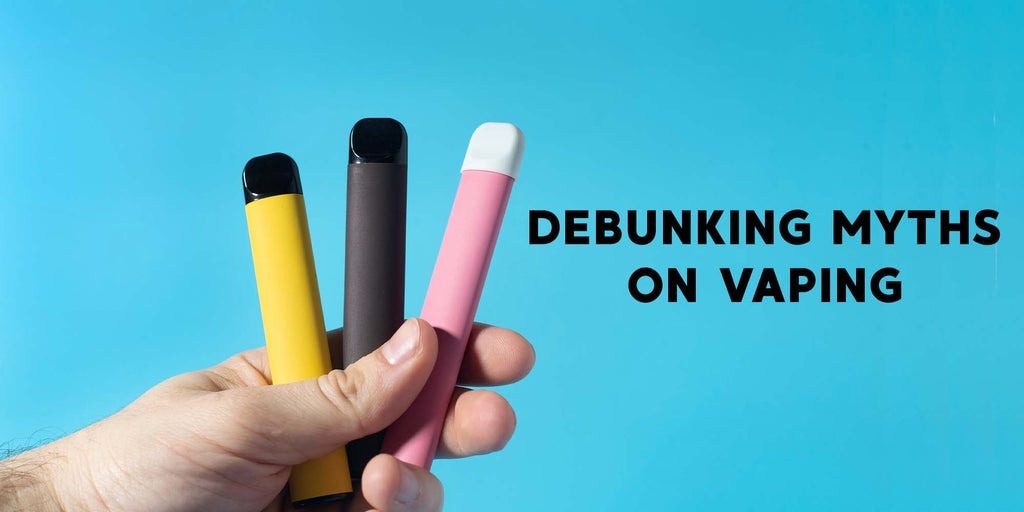
- Disposable vapes
- Pod systems
- Advanced mods
Each option caters to different experience levels and preferences. Breaking Myths About Vaping
Flavor Expansion
Flavor innovation continues to drive the industry, offering:
- Fruity blends
- Dessert-inspired profiles
- Menthol and tobacco alternatives
This variety enhances user satisfaction and personalization.
The Role of Regulation and Safety
Governments and health organizations are increasingly involved in regulating vaping products. These regulations aim to:
- Ensure product safety
- Prevent underage usage
- Standardize manufacturing practices
This regulatory oversight plays a critical role in Breaking Myths About Vaping by improving transparency and accountability. Breaking Myths About Vaping
Responsible Vaping Practices
To ensure a safe experience, users should:
- Purchase from reputable brands
- Follow device instructions
- Avoid modifying devices improperly
- Store products safely
Responsible usage helps minimize risks and supports a more positive perception of vaping. Breaking Myths About Vaping
The Future of Vaping
Looking ahead, the vaping industry is expected to continue evolving with:
- AI-powered devices
- Enhanced safety features
- More sustainable materials
Innovation will likely focus on improving both user experience and health-conscious design.
FAQ – Breaking Myths About Vaping
1. Is vaping completely safe?
No, vaping is not completely risk-free, but it is generally considered less harmful than smoking due to the absence of combustion. Breaking Myths About Vaping
2. Can vaping help people quit smoking?
Some individuals use vaping as a transition tool, but results vary, and professional guidance is recommended.
3. Are all vape devices the same?
No, devices vary in complexity, performance, and features, ranging from beginner-friendly to advanced systems. Breaking Myths About Vaping
4. Does vaping produce secondhand smoke?
Vaping produces aerosol, not smoke, which typically contains fewer harmful chemicals than cigarette smoke. Breaking Myths About Vaping
5. How do I choose a safe product?
Look for products that are lab-tested, clearly labeled, and manufactured by reputable companies. Breaking Myths About Vaping