

Vape Wholesale Guide: The Ultimate B2B Sourcing & Retail Success Playbook
Launching or scaling a brick-and-mortar smoke shop or e-commerce store requires a robust, compliant, and cost-effective inventory supply chain. This comprehensive Vape Wholesale Guide serves as your foundational manual for navigating the complex global business-to-business (B2B) vapor industry. Without a clear strategy, retail operators often struggle with stockouts, counterfeit hardware, regulatory fines, or compressed profit margins.
By applying the principles in this Vape Wholesale Guide, retail buyers learn how to vet primary distributors, negotiate tier-based pricing, manage age-verification standards, and maintain healthy gross profit margins. Whether you are stocking pod systems, closed disposable devices, sub-ohm tanks, or nicotine salt e-liquids, this Vape Wholesale Guide walks you through every critical stage of B2B procurement.
In this 2,000-word operational resource, our Vape Wholesale Guide breaks down wholesale supplier criteria, compliance mandates, inventory planning formulas, and logistics strategies designed to build a scalable, profitable vapor retail business.
1. Understanding the Modern B2B Vapor Market Landscape
The global vapor ecosystem has evolved rapidly over the past decade. Modern B2B procurement requires balancing consumer demand with strict regulatory oversight. In this section, our Vape Wholesale Guide examines the core shifts defining wholesale purchasing.
A successful B2B procurement strategy hinges on securing direct relationships with authorized master distributors rather than unvetted secondary wholesalers.
The Evolution of Vapor Distribution
Historically, vape shop owners purchased products through localized, informal supply chains. Today, as emphasized in this Vape Wholesale Guide, wholesale procurement demands direct alignment with authorized master distributors and original equipment manufacturers (OEMs). Modern distributors operate massive fulfillment centers capable of managing batch numbers, excise tax tracking, and age-verified shipping protocols.
Following a professional Vape Wholesale Guide helps retailers navigate key market shifts:
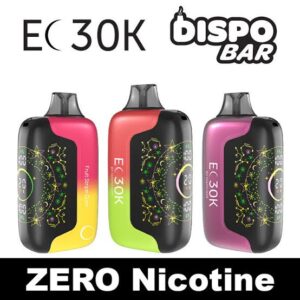
Disposable System Dominance: High-puff disposable devices with re-chargeable batteries require rapid inventory turnover.
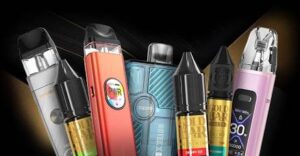
Open System Pod Innovation: Refillable pod kits require consistent replenishment of replacement mesh coils and replacement pods.
Nicotine Salt Formulation: High-concentration nic-salts remain a top revenue driver across all brick-and-mortar locations outlined in this Vape Wholesale Guide.
2. Supplier Vetting & Selection: Finding the Right B2B Partner
Selecting an authorized supply partner is the most important decision highlighted in this Vape Wholesale Guide. Choosing an unreliable supplier leads to delayed shipments, counterfeit devices, and lost customers.
An efficient B2B supply chain relies on organized warehouse operations, automated batch tracking, and fast shipping turnaround.
Critical Evaluation Criteria
When utilizing this Vape Wholesale Guide to evaluate potential wholesale vendors, demand transparency across these five core metrics:
Product Authenticity Guarantees: Every reputable supplier featured in our Vape Wholesale Guide must provide scratch-off verification codes and manufacturer-backed authenticity certificates for all hardware and e-liquids.
Minimum Order Quantities (MOQs): Flexible MOQs allow store owners to test new product lines without over-committing working capital.
Shipping Speed & PACT Act Compliance: As noted in this Vape Wholesale Guide, B2B suppliers must utilize approved private delivery networks that comply with regional age-verification laws.
Return and RMA Protocols: A structured Vape Wholesale Guide advises working only with distributors offering 30-day to 90-day defect coverage on electronics.
Customer Support Availability: Dedicated account managers ensure fast resolution of damaged shipments or missing SKUs.
Red Flags to Avoid
This Vape Wholesale Guide strongly cautions against working with suppliers that:
Offer branded hardware at prices drastically below standard manufacturer suggested wholesale prices (MSWP).
Refuse to provide state resale certificates or legitimate invoices.
Ship liquid inventory without batch tracking numbers or expiration dates.
Lack clear protocols for handling defective hardware returns.
3. Product Categories & Strategic Inventory Allocation
A successful inventory mix balances high-margin impulse items with steady, recurring hardware sales. In this section, our Vape Wholesale Guide outlines recommended inventory distribution percentages for a standard vape shop.
+-----------------------------------------------------------------------------------+
|               RECOMMENDED VAPE RETAIL INVENTORY ALLOCATION                        |
+-----------------------------------------------------------------------------------+
| Product Category    | Inventory Share | Target Margin | Stock Velocity            |
+---------------------+-----------------+---------------+---------------------------+
| Disposable Devices  | 40% - 50%       | 50% - 65%     | Ultra-Fast (7-14 Days)    |
| Refillable Pod Kits | 15% - 20%       | 40% - 50%     | Moderate (30-45 Days)     |
| E-Liquids (Salts)   | 15% - 20%       | 60% - 70%     | Fast (14-21 Days)         |
| Coils & Pods        | 10% - 15%       | 50% - 60%     | Continuous Steady Flow    |
| Advanced Mods/Tanks | 5% - 10%        | 35% - 45%     | Slow (60+ Days)           |
+-----------------------------------------------------------------------------------+
Diversifying your wholesale inventory between closed disposable units, pod kits, and bottled e-liquids ensures consistent daily revenue.
Analyzing Core Categories
Disposable Vapes
As emphasized throughout this Vape Wholesale Guide, disposable devices generate the highest transaction volume. Look for wholesale packages offering pre-filled capacity, mesh coil integration, rechargeable Type-C ports, and smart LED display screens.
Closed and Open Pod Systems
Open pod systems represent steady recurring revenue. While the initial hardware sale carries a lower margin, customers return weekly for replacement pods and e-liquid bottles. A core recommendation of this Vape Wholesale Guide is to keep top-selling pod replacement packs in stock at all times.
E-Liquids (Freebase vs. Nicotine Salts)
This Vape Wholesale Guide advises stocking e-liquids in both 30ml salt-nicotine bottles (20mg to 50mg strength) and 60ml/100ml freebase bottles (3mg to 6mg strength). Maintaining a balanced flavor menu (fruit, ice/menthol, dessert, tobacco) ensures broad customer retention.
4. Legal Compliance, Licensing, and Regulatory Frameworks
Operating a B2B vapor retail business requires strict adherence to local, state, and federal laws. A major section of this Vape Wholesale Guide is dedicated to regulatory compliance.
       [ Business Formation: Obtain EIN & State Business License ]
                                   │
                                   ▼
       [ Sales Tax & Resale Certificate: Register for Wholesale Exemption ]
                                   │
                                   ▼
       [ Tobacco & Vapor Retail License: Secure State Specific Permits ]
                                   │
                                   ▼
       [ Age Verification Integration: Setup POS & Online B2B Checks ]
                                   │
                                   ▼
       [ PACT Act Compliance: File Monthly State & Federal Shipping Reports ]
Essential Documentation for B2B Purchasing
Before placing an order with any distributor highlighted in this Vape Wholesale Guide, retailers must assemble the following documentation:
Employer Identification Number (EIN): Federal tax identifier required for commercial transactions.
State Resale Certificate: Allows store owners to purchase wholesale inventory without paying upfront sales tax.
State Tobacco / Vapor Retail License: Mandated permit allowing legal retail sale of nicotine products.
Adult Signature & PACT Act Registration: Compliance documentation required for shipping vapor products across state lines.
Navigating the PACT Act
The Prevent All Cigarette Trafficking (PACT) Act governs the shipping and distribution of all vapor products. Following this Vape Wholesale Guide ensures you maintain full compliance:
Age-Verification at Delivery: All wholesale shipments require an adult signature upon delivery.
Monthly Tax Reporting: B2B buyers and sellers must submit monthly delivery logs to state tax administrators.
Approved Carriers: Shipping must occur through private regional carriers licensed for age-restricted logistics.
5. Pricing Models, Profit Margins, and Inventory Management
Maximizing profitability requires mastering wholesale pricing tiers and inventory turnover rates. This Vape Wholesale Guide details practical financial formulas every shop owner must use.
Understanding Wholesale Tiered Pricing
Distributors use tiered pricing structures to reward high-volume purchases. This Vape Wholesale Guide illustrates how bulk orders reduce unit cost:
| Order Volume Tier | Average Unit Cost (Disposable) | Suggested Retail Price (MSRP) | Gross Margin % |
|---|---|---|---|
| Tier 1 (10 – 50 Units) | $8.50 per unit | $19.99 | 57.4% |
| Tier 2 (51 – 200 Units) | $7.25 per unit | $19.99 | 63.7% |
| Tier 3 (201 – 500 Units) | $6.10 per unit | $19.99 | 69.4% |
| Master Case (1000+ Units) | $5.20 per unit | $19.99 | 73.9% |
Key Financial Formulas for Retail Buyers
Gross Margin Percentage Formula
According to this Vape Wholesale Guide, calculate your retail gross margin percentage using this formula:
Inventory Turnover Ratio
Monitoring stock velocity prevents working capital from locking up in slow-moving items:
A healthy vape retail store should target an inventory turnover ratio of 8 to 12 times per year, as recommended in this Vape Wholesale Guide.
6. Freight, Shipping Logistics, and Storage Protocols
Proper storage and shipping safeguards protect wholesale inventory investment. This section of our Vape Wholesale Guide focuses on preserving product quality.
Environmental Storage Requirements
Vapor products contain sensitive electronic components and chemical e-liquids that degrade if exposed to extreme conditions. This Vape Wholesale Guide outlines essential warehouse storage rules:
Temperature Control: Store e-liquids and disposable units between 60°F and 72°F (15°C to 22°C) to prevent nic-salt oxidation and battery degradation.
Sunlight Protection: Direct UV light breaks down nicotine molecules and darkens liquid color. Keep inventory in sealed master cartons.
Humidity Control: Excessive moisture corrodes lithium-ion battery terminals in disposable devices and pod kits. Maintain relative humidity below 50%.
7. Strategic Checklist for B2B Vape Procurement
Use this step-by-step checklist from our Vape Wholesale Guide when onboarding new wholesale vendors:
[ ] Verify distributor state tobacco licenses and business registration.
[ ] Request authentic scratch-off batch samples before placing bulk orders.
[ ] Compare shipping rates and estimated delivery windows across 3 suppliers.
[ ] Confirm defective product (RMA) credit policies in writing.
[ ] Set up automated stock replenishment alerts at 25% remaining inventory.
[ ] Ensure POS system integrates real-time age verification technology.
8. Frequently Asked Questions (FAQ)
Why is following a structured Vape Wholesale Guide critical for new smoke shop owners?
A structured Vape Wholesale Guide provides shop owners with essential frameworks for verifying supplier authenticity, navigating complex PACT Act compliance, securing competitive wholesale pricing, and maintaining optimal stock rotation.
What are the key licensing requirements outlined in this Vape Wholesale Guide?
As detailed in this Vape Wholesale Guide, retailers must possess a valid state tobacco/vapor retail license, a state resale certificate (sales tax permit), an EIN, and complete age-verification setup prior to purchasing bulk wholesale inventory.
How does this Vape Wholesale Guide recommend evaluating distributor minimum order quantities (MOQs)?
This Vape Wholesale Guide recommends choosing suppliers with tier-based MOQs that match your store’s cash flow. Start with lower MOQs for unproven flavor lines and reserve high-volume MOQs for core disposable and hardware inventory.
What profit margins does this Vape Wholesale Guide suggest targeting for B2B inventory?
According to our Vape Wholesale Guide, retail vape shop owners should target a gross profit margin of 40% to 60% on hardware systems and 50% to 70% on e-liquids and disposable vape devices.
How do I handle defective hardware returns according to this Vape Wholesale Guide?
As stated in this Vape Wholesale Guide, establish an agreement with your distributor that provides store credit or replacement stock for DOA (Dead On Arrival) electronics returned within 30 to 90 days of invoice date.
Final Operational Recommendations
Navigating B2B sourcing requires vigilance, regulatory compliance, and smart financial management. By implementing the strategies detailed in this Vape Wholesale Guide, smoke shop owners and retail buyers can build resilient supply chains, secure maximum wholesale margins, and deliver authentic, high-quality products to their customers.
Review your inventory metrics quarterly, re-evaluate distributor pricing tiers regularly, and keep this Vape Wholesale Guide on hand as your core operational benchmark.

Pingback: Vape Wholesale Guide - BIG WIN VAPE SHOP 7