Smoke and Vape Shop USA: Sourcing, Compliance, & Retail Guide (2026)
Operating a premier smoke and vape shop USA storefront requires navigating a sophisticated retail environment where regulatory compliance, strategic sourcing, and inventory curation intersect. Over the past decade, the American retail vapor and smoke shop sector has transitioned from fragmented niche markets into a multi-billion-dollar mainstream retail industry. Today’s adult consumer demands high-performing refillable pod hardware, premium borosilicate glass, hemp-derived botanicals, and authentic electronic nicotine delivery systems (ENDS).
At the same time, federal agencies like the U.S. Food and Drug Administration (FDA) alongside state enforcement bodies have introduced rigorous compliance standards. From strict Pre-Market Tobacco Application (PMTA) mandates to state-level product directory listings and federal Tobacco 21 age verification rules, remaining profitable requires absolute operational precision.
This comprehensive industry guide provides retail shop owners, store managers, and B2B purchasing agents with a practical blueprint for managing a modern smoke and vape shop USA business. We examine regulatory frameworks, inventory turnover calculations, supplier vetting, point-of-sale compliance, and profit margin optimization.
1. The Landscape of the Smoke and Vape Shop USA Market
The brick-and-mortar retail market for smoking accessories and vapor hardware in the United States is defined by two distinct product philosophies merging under one roof:
The Traditional Smoke Shop Hub: Focused on functional borosilicate glass art, rolling papers, natural leaf wraps, hookahs, dry herb vaporizers, and lifestyle goods. These products yield high gross margins (60% to 80%) but experience slower purchase frequency cycles.
The High-Velocity Vapor Counter: Focused on open-system pod kits, sub-ohm tank mods, replacement mesh coils, nicotine salt e-liquids, and closed-pod devices. These items generate rapid turnover cycles (customers visiting every 7 to 14 days) at gross margins of 45% to 65%.
By combining both categories, a successful smoke and vape shop USA creates a balanced financial ecosystem. High-turnover vape supplies drive consistent weekly foot traffic, while high-margin smoking accessories increase average transaction values (ATV) and basket size.
       ┌─────────────────────────────────────────────────────────────┐
       │             Smoke and Vape Shop USA Product Mix             │
       └──────────────────────────────┬──────────────────────────────┘
                                      │
         ┌────────────────────────────┴────────────────────────────┐
         ▼                                                         ▼
[ High-Turnover Vapor Consumables ]                   [ High-Margin Smoke Accessories ]
 - Pod Cartridges & Replacement Coils                  - Borosilicate Glass Water Pipes
 - Freebase E-Liquids & Salt Nicotine                  - Herb Vaporizers & Concentrate Rigs
 - 14-to-21 Day Repeat Visit Cycle                     - Rolling Papers, Wraps, & Grinders
 - 45% - 65% Target Gross Margin                       - 60% - 80% Target Gross Margin
2. Federal and State Regulatory Frameworks (2026 Compliance Update)
Navigating laws is the single most critical factor in preserving the long-term enterprise value of any smoke and vape shop USA. Retailers must adhere to a three-tiered regulatory structure: Federal, State, and Municipal.
Federal Enforcement: FDA & PMTA Authorization
The FDA oversees all ENDS products under the Family Smoking Prevention and Tobacco Control Act.
PMTA Marketing Orders: The FDA maintains an official authorized ENDS list (encompassing authorized e-cigarette products) that have satisfied the rigorous Pre-Market Tobacco Application scientific review. Stocking unauthorized devices that lack filed or accepted PMTAs carries substantial legal risk, including warning letters, civil money penalties, and product seizures.
Enforcement Discretion & High-Risk Categories: Products designed with cartoon imagery, toy-like forms, or disguises that appeal to minors are designated as priority targets for federal enforcement. Reputable store owners strictly exclude youth-appealing designs from their retail shelves.
Federal Tobacco 21 (T21) Law
Passed by Congress, federal law mandates that it is illegal for any retailer in the United States to sell any tobacco, nicotine, or vapor product to anyone under 21 years of age. A compliant smoke and vape shop USA must enforce mandatory photo ID scanning for every customer who appears under 30 years old.
State-Level Flavor Restrictions & Directory Laws
State laws across the country vary significantly:
Statewide Flavor Restrictions: Over a dozen jurisdictions—including California (Prop 31 / AB 3218), New York, Massachusetts, New Jersey, and Rhode Island—have restricted or banned non-tobacco flavored e-cigarettes.
State Directory Systems: States such as Virginia, Florida, North Carolina, Wisconsin, and Mississippi enforce state-level tobacco product directory systems. In these states, retailers may only sell ENDS products explicitly listed on the state Attorney General’s approved registry.
+-----------------------------------------------------------------------------------------+
|                  U.S. STATE-LEVEL VAPE REGULATION MATRIX OVERVIEW                       |
+-----------------------------------------------------------------------------------------+
| State Jurisdiction    | Primary Regulatory Framework         | Retail Inventory Impact  |
+-----------------------+--------------------------------------+--------------------------+
| California            | Prop 31 / AB 3218 (Unflavored List)  | Tobacco flavors & open   |
|                       | Broad non-tobacco flavor ban        | hardware permitted only  |
+-----------------------+--------------------------------------+--------------------------+
| New York              | Statewide Flavored E-Cigarette Ban   | Tobacco-derived liquid & |
|                       | Public Health Law §1399-mm-1        | hardware systems only    |
+-----------------------+--------------------------------------+--------------------------+
| Virginia              | State Attorney General Directory Law | Restricted to listed     |
|                       | Approved Product Directory System   | compliant manufacturers  |
+-----------------------+--------------------------------------+--------------------------+
| Texas / Florida       | Baseline T21 Laws & State Licensing  | Standard PMTA compliance |
|                       | Local excise tax structures  | and T21 age checks     |
+-----------------------+--------------------------------------+--------------------------+
3. Operational Roadmap: Setting Up a Compliant Retail Store
Building a compliant and profitable smoke and vape shop USA location requires executing an organized operational sequence. Follow this step-by-step workflow:
1.Legal Registration & Retail Licensing:Form entity, get FEIN, state tobacco permits, and local sales tax licenses.
Register your business entity (LLC or Corporation) within your state. Apply for a Federal Employer Identification Number (FEIN), state sales tax permit, and state-specific tobacco and vapor retail dealer licenses required to purchase tax-exempt inventory from B2B wholesale distributors.
2.Deploy POS Age Verification & T21 Compliance:Install hardware scanners integrated into point-of-sale software.
Equip your checkout terminals with barcode ID scanners that parse 2D PDF417 driver’s license barcodes. Integrate software that blocks transaction progression until age verification is cleared, maintaining automated T21 audit trails.
3.Perform Inventory Regulatory Audits:Cross-reference stock against federal and state product registries.
Audit all incoming e-liquid and pod hardware against the FDA PMTA status database and your specific state’s approved product directory list. Eliminate non-compliant or unapproved SKUs to prevent regulatory fines or license revocation.
4.Vet B2B Wholesale Supply Partners:Establish accounts with vetted, authorized domestic master distributors.
Partner with authorized domestic B2B distributors that supply factory-direct product batch codes, anti-counterfeit scratch-off verifications, and PACT Act compliant shipping options.
5.Merchandise Display Cases & Shelf Optimization:Arrange glass cases and counter displays by velocity and margin.
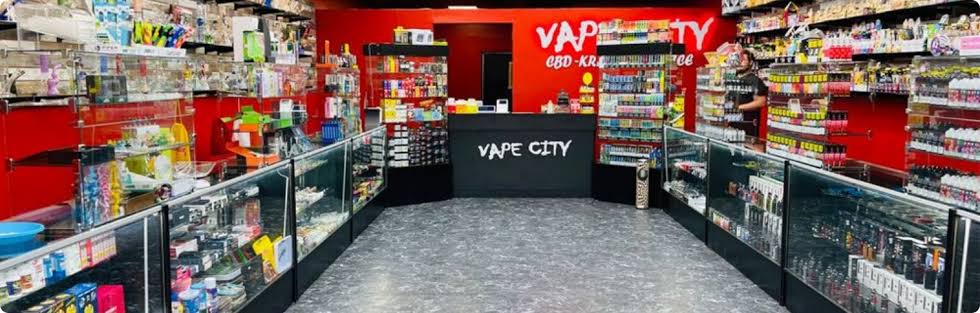
Structure physical retail space logically. Place high-margin artisan borosilicate glass in secure, lit display cases, and position fast-moving replacement coils and pods directly behind the main checkout register.
4. Financial Curation: Margin Formulas & Inventory Matrix
To maximize profitability, every manager at a smoke and vape shop USA must understand retail pricing mathematics. Pricing strategy determines whether a store merely covers overhead or achieves strong net profitability.
Key Financial Mathematics
Gross Margin Percentage Calculation
Margin-Target Retail Price Formula
If a shop purchases a replacement pod 4-pack for a wholesale cost of $6.50 and targets a 62% gross margin, the retail shelf price is calculated as:
Retail Category Financial Comparison Matrix
+-----------------------------------------------------------------------------------------+
|                  SMOKE AND VAPE SHOP USA INVENTORY PERFORMANCE MATRIX                   |
+-----------------------------------------------------------------------------------------+
| Product Category        | Target Gross Margin | Turnover Rate   | Regulatory Exposure   |
+-------------------------+---------------------+-----------------+-----------------------+
| Refillable Pod Systems  | 45% – 55% Margin    | 30 – 45 Days    | High (FDA PMTA Rules) |
| Replacement Mesh Coils  | 60% – 70% Margin    | 14 – 21 Days    | Low (General Hardware)|
| Freebase & Salt Liquids | 55% – 65% Margin    | 21 – 30 Days    | High (State Flavor Bans)|
| Borosilicate Glassware  | 65% – 80% Margin    | 60 – 90 Days    | Low (General Smoke)   |
| Dry Herb Vaporizers     | 50% – 60% Margin    | 45 – 60 Days    | Low (Novelty / Herb)  |
| Rolling Papers & Wraps  | 60% – 75% Margin    | 14 – 28 Days    | Low (General Smoke)   |
+-------------------------+---------------------+-----------------+-----------------------+
5. Core Product Categories in American Retail Outlets
Refillable Pod Systems & Hardware
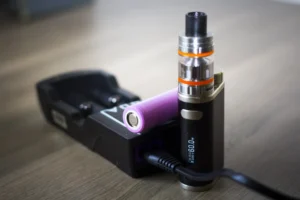
Modern vapor consumers in the United States heavily favor compact, refillable pod devices featuring low-wattage operation (11W to 30W), magnetic pod connections, adjustable airflow, and long-lasting mesh coil structures. stocking industry-leading models from established manufacturers ensures consistent consumer trust and low device defect rates.
Consumables: Replacement Coils and Nicotine Salts
While selling a pod kit yields an initial profit, the long-term annuity of a smoke and vape shop USA lies in replacement pods and e-liquids. A active customer purchases 2 to 4 replacement coil cartridges per month alongside 30mL bottles of nicotine salt liquid. Maintaining 100% stock availability on core resistance options (e.g., 0.6Ω, 0.8Ω, and 1.0Ω) prevents customer churn to competing stores.
Functional Glass & Traditional Smoking Essentials
Functional glass art remains a foundational staple of American smoke shop culture. Displaying a diverse catalog—from entry-level scientific beaker glass to hand-blown American-made color rods—attracts traditional smoking enthusiasts. Complement glass displays with essential impulse-buy items at checkout, including ergonomic grinder units, organic hemp papers, and air-purifying sprays.
6. Frequently Asked Questions (FAQ)
What are the legal requirements to open a smoke and vape shop USA?
Opening a smoke and vape shop USA requires securing a Federal Employer Identification Number (EIN), state sales tax permit, local municipal tobacco and vapor retail dealer license, automated ID age verification compliance systems (T21), and compliance with federal PACT Act registration rules.
How do state flavor bans affect a smoke and vape shop USA?
State-level flavor bans (such as those in California, New York, Massachusetts, and New Jersey) restrict the sale of non-tobacco flavored e-liquids and disposables. Stores operating in these states pivot inventory toward tobacco-flavored options, open-system hardware, replacement mesh coils, and alternative smoke shop accessories.
What is the federal minimum age to buy products at a smoke and vape shop USA?
Under federal Tobacco 21 (T21) legislation enacted by Congress, it is illegal for any retailer in the United States to sell tobacco, nicotine, or vapor products to anyone under 21 years of age. Retailers must verify age using government-issued photo identification.
What product categories yield the highest profit margins for a smoke and vape shop USA?
Traditional smoke shop accessories like borosilicate glass water pipes, rolling papers, and herb vaporizers offer the highest gross margins (60% to 80%), while high-turnover vape consumables like replacement coils, pods, and e-liquids drive frequent repeat foot traffic with 45% to 65% margins.
Building a prosperous smoke and vape shop USA retail location relies on balancing strict regulatory compliance with strategic inventory selection. By enforcing Tobacco 21 age verification, auditing stock against FDA PMTA rules, maintaining high-turnover coil inventories, and offering premium functional smoke accessories, retailers can establish a highly resilient and profitable business.
Explore top-tier hardware, refillable pod systems, replacement coils, and wholesale solutions at Big Win Vape Shop to stock your retail store today!