PG/VG Ratios for Sub-Ohm Mods vs. MTL Pod Systems
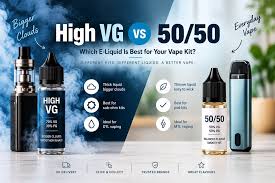
Every bottle of e-liquid on a vape shop shelf displays two numbers separated by a slash—most commonly 70/30 or 50/50, and occasionally 60/40 or 80/20. To a newcomer browsing flavors for the first time, those numbers look like minor technical fine print. In reality, that single ratio dictates whether your device produces dense, flavorful vapor or leaves you with a pocket full of leaked e-liquid and a scorched coil. PG/VG Ratios for Sub-Ohm Mods vs. MTL Pod
Those two numbers represent the exact percentage balance between Propylene Glycol (PG) and Vegetable Glycerin (VG)—the two USP-grade carrier liquids that make up 85% to 95% of every bottle of vape juice. PG/VG Ratios for Sub-Ohm Mods vs. MTL Pod
While both compounds are colorless, odorless, water-soluble humectants used safely across food and pharmaceutical manufacturing, they behave like complete opposites inside an atomizer. One flows almost like water and carries crisp flavor; the other pours like warm maple syrup and generates massive clouds. Matching that fluid viscosity to the physical size of your coil’s cotton wicking ports is the single most important mechanical rule in vaping. PG/VG Ratios for Sub-Ohm Mods vs. MTL Pod
In this comprehensive editorial guide on PG/VG Ratios for Sub-Ohm Mods vs. MTL Pod Systems, we break down the fluid dynamics of PG and VG, explain why high-wattage sub-ohm tanks and tight Mouth-to-Lung (MTL) pods demand completely different ratios, map out every coil resistance tier, and show you how to troubleshoot mismatched viscosity instantly. PG/VG Ratios for Sub-Ohm Mods vs. MTL Pod
1. The Chemistry & Physics of PG vs. VG
Before comparing sub-ohm tanks against compact pod systems, look closely at how Propylene Glycol (PG) and Vegetable Glycerin (VG) differ in viscosity, thermal behavior, and sensory delivery: PG/VG Ratios for Sub-Ohm Mods vs. MTL Pod
  PROPYLENE GLYCOL (PG) VS. VEGETABLE GLYCERIN (VG) AT A GLANCE

  Propylene Glycol (PG):
  [ Thin, Watery Viscosity ] ──► Rapid capillary wicking + Superior flavor carrier + Crisp throat hit

  Vegetable Glycerin (VG):
  [ Thick, Syrupy Viscosity ] ──► Slow capillary wicking + Dense, opaque clouds + Smooth, mild sweetness
1. Propylene Glycol (PG): The Flavor & Throat-Hit Carrier
Derived from petroleum-free chemical synthesis (and widely used in asthma inhalers, food flavor extracts, and moisturizers), Propylene Glycol has a low viscosity nearly identical to water.
Superior Flavor Solubility: Aromatic fruit, mint, citrus, and tobacco esters dissolve far more efficiently in PG than in thick VG—meaning higher-PG liquids deliver sharper, more vibrant taste at low temperatures.
Firmer Throat Hit: PG produces a noticeable, slightly dry sensation at the back of the throat that closely mimics the inhale kick of a traditional cigarette.
Lighter Visible Vapor: When vaporized, PG creates thin, translucent mist that dissipates into the air within seconds.
- PG/VG Ratios for Sub-Ohm Mods vs. MTL Pod
2. Vegetable Glycerin (VG): The Cloud & Smoothness Engine
Extracted naturally from plant oils (typically soy, coconut, or palm), Vegetable Glycerin is dramatically thicker and heavier—possessing roughly 15 to 20 times the dynamic viscosity of Propylene Glycol at room temperature.
Massive Cloud Production: VG vaporizes into dense, heavy, opaque vapor plumes prized by Direct-to-Lung (DTL) cloud chasers.
Velvety Smooth Inhale: VG eliminates throat scratchiness and adds a faint, natural sweetness to the vapor.
Sluggish Wicking Speed: Because VG flows slowly—especially in cool weather—it requires large cotton intake ports and higher coil wattage to vaporize properly.
- PG/VG Ratios for Sub-Ohm Mods vs. MTL Pod
2. Why Hardware Dictates Ratio: Capillary Wicking Engineering
The entire secret behind PG/VG Ratios for Sub-Ohm Mods vs. MTL Pod Systems comes down to one physical component inside your coil: the size of the cotton wicking ports. PG/VG Ratios for Sub-Ohm Mods vs. MTL Pod
  CAPILLARY WICKING PORT PHYSICS: SUB-OHM COIL VS. MTL POD

  Sub-Ohm Mesh Coil (0.15Ω – 0.4Ω @ 50W–90W):
  [ Wide 4mm–6mm Cotton Slots ] + [ Thick 70/30 VG/PG Juice ] ──► Controlled saturation ➔ Zero leaks!

  MTL Pod Cartridge (0.8Ω – 1.2Ω @ 10W–16W):
  [ Tiny 1.2mm–1.8mm Cotton Holes ] + [ Fluid 50/50 VG/PG Juice ] ──► Fast capillary draw ➔ Zero dry hits!
Every vape coil relies on a delicate equilibrium between gravity pushing liquid inward and capillary tension holding liquid inside the cotton until electrical heat turns it into vapor:
Sub-Ohm Mesh Coils vaporize large volumes of e-liquid in a single 2-second breath at 65 to 85 watts. To prevent the cotton from drying out mid-puff, engineers cut wide, open wicking windows into the metal coil barrel. Only thick 70/30 or 80/20 high-VG liquid has enough surface tension to stay suspended across those wide ports without flooding the coil chamber.
MTL Pod Cartridges vaporize tiny micro-droplets at 11 to 15 watts. Engineers machine pinhole-sized wicking intakes to meter fluid gently onto a compact mesh strip. Only thin 50/50 VG/PG liquid can squeeze through those narrow openings fast enough to keep the cotton wet between consecutive puffs.
- PG/VG Ratios for Sub-Ohm Mods vs. MTL Pod
3. Master Comparison Matrix: Sub-Ohm Mods vs. MTL Pod Systems
Keep this comprehensive reference matrix handy whenever you pair a bottle of e-liquid with a new tank, coil head, or pod cartridge: PG/VG Ratios for Sub-Ohm Mods vs. MTL Pod
+----------------------------------------------------------------------------------------------------+
|                  PG/VG RATIOS FOR SUB-OHM MODS VS. MTL POD SYSTEMS MASTER MATRIX                   |
+------------------------------+-----------------------------------+---------------------------------+
| Performance & Hardware Metric| Sub-Ohm Box Mods & DTL Tanks      | MTL Pod Systems & Pod Sticks    |
+------------------------------+-----------------------------------+---------------------------------+
| Ideal VG / PG Ratio          | 70% VG / 30% PG (Standard)        | 50% VG / 50% PG (Standard)      |
|                              | or 80% VG / 20% PG (Max Cloud)    | or 60% VG / 40% PG (Loose MTL)  |
+------------------------------+-----------------------------------+---------------------------------+
| Typical Coil Resistance      | 0.15Ω, 0.2Ω, 0.3Ω, 0.4Ω           | 0.8Ω, 1.0Ω, 1.2Ω, 1.4Ω          |
| (Ohms)                       | (Low-Resistance Sub-Ohm Mesh)     | (High-Resistance MTL Mesh/Wire) |
+------------------------------+-----------------------------------+---------------------------------+
| Typical Operating Wattage    | 45W – 100W+                       | 10W – 16W                       |
+------------------------------+-----------------------------------+---------------------------------+
| Recommended Nicotine Type &  | 0mg, 3mg, or 6mg Freebase         | 20mg, 25mg, 35mg, or 50mg       |
| Strength                     | Nicotine (Never high-mg salts)    | Nicotine Salts (or 12mg Freebase|
+------------------------------+-----------------------------------+---------------------------------+
| Vapor Output & Cloud Density | Dense, thick, room-filling DTL    | Light, discreet, cigarette-like |
|                              | vapor plumes                      | MTL plumes that vanish quickly  |
+------------------------------+-----------------------------------+---------------------------------+
| Flavor & Throat Sensation    | Warm, velvety, rich mouthfeel;    | Crisp, sharp top notes; firm    |
|                              | smooth low-throat-hit inhale      | cigarette-style throat bite     |
+------------------------------+-----------------------------------+---------------------------------+
| Common Bottle Size at Retail | 60mL, 100mL, and 120mL Chubby     | 30mL Unicorn Bottles            |
|                              | Gorilla Bottles                   |                                 |
+------------------------------+-----------------------------------+---------------------------------+
4. What Happens When You Mismatch Your PG/VG Ratio?
Ignoring the PG/VG label on a bottle is the fastest way to ruin an afternoon—and a brand-new pack of coils. Here is exactly what happens inside your atomizer when viscosity and hardware collide: PG/VG Ratios for Sub-Ohm Mods vs. MTL Pod
  DIAGNOSING MISMATCHED PG/VG RATIOS

  Scenario A: Thick 70/30 Juice Inside a Tight 1.0Ω–1.2Ω MTL Pod
  [ Sluggish Syrupy Flow ] ➔ Cotton ports starve between puffs ➔ Muted taste ➔ Scorched Dry Hit!

  Scenario B: Thin 50/50 Juice Inside a High-Wattage 0.2Ω Sub-Ohm Tank
  [ Rapid Watery Flow ] ➔ Gravity overwhelms wide cotton slots ➔ Gurgling + Spitback + Bottom Leaks!
Scenario A: Putting 70/30 High-VG E-Liquid in an MTL Pod
Suppose you love a 100mL bottle of Juice Head Peach Pear (70/30 VG/PG) in your sub-ohm tank, and you squeeze some into a 1.0Ω or 1.2Ω MTL pod cartridge.
First 2 Puffs: Everything tastes fine because the initial priming soak is still wet.
Puff 4 Onward: Thick 70% VG cannot travel through the tiny 1.3mm pod ports fast enough to replace vaporized liquid. You start tasting dry, hot cotton, followed quickly by a harsh, irreversible burnt hit that ruins the pod permanently.
- PG/VG Ratios for Sub-Ohm Mods vs. MTL Pod
Scenario B: Putting 50/50 Nic Salt E-Liquid in a Sub-Ohm Tank
Conversely, suppose you pour a 50/50 VG/PG bottle into a wide-bore 0.2Ω sub-ohm mesh tank:
Immediate Flooding: Thin 50% PG pours straight through the wide cotton slots faster than the coil can vaporize it.
Spitback & Leaks: Every inhale pulls boiling droplets of unvaporized juice up the chimney onto your tongue, while excess liquid pools in the bottom airflow base and leaks across your mod. (Even worse, if that 50/50 bottle is 35mg or 50mg nicotine salt, running it at 65 watts delivers a dangerous overdose of nicotine in one draw).
- PG/VG Ratios for Sub-Ohm Mods vs. MTL Pod
5. Navigating the Middle Ground: 60/40 Blends & RDL “Crossover” Pods (0.4Ω – 0.6Ω)
Modern vaping hardware isn’t strictly divided between 12-watt MTL sticks and 90-watt dual-battery mods anymore. Over the past two years, Restricted Direct-to-Lung (RDL) crossover pods—such as 0.4Ω and 0.6Ω cartridges for the Vaporesso XROS Pro, OXVA Xlim Pro 2, and Uwell Caliburn G3—have bridged the gap between both worlds. PG/VG Ratios for Sub-Ohm Mods vs. MTL Pod
  THE 60/40 & RDL CROSSOVER ZONE (18W – 30W)

  [ 0.6Ω Mesh Pod (18W–24W) ] ──► Handles BOTH 50/50 VG/PG and 60/40 VG/PG effortlessly
  [ 0.4Ω Mesh Pod (25W–30W) ] ──► Handles 60/40 VG/PG and standard 70/30 High-VG freebase juice!
When to Pick 60% VG / 40% PG: If you use a 0.6Ω pod cartridge around 20 watts, a 60/40 VG/PG blend (or a clean 70/30 fruit e-liquid in warm room temperatures) gives you noticeably thicker, smoother vapor clouds than 50/50 without overwhelming the wicking ports.
Sub-Ohm Pod Versatility: If you own a pod kit that accepts 0.4Ω pods (running at 25W–30W), you can safely enjoy standard 70/30 3mg or 6mg freebase bottles in a pocket-sized device—just remember to allow 8 minutes of priming time and avoid chain-vaping in freezing outdoor temperatures.
- PG/VG Ratios for Sub-Ohm Mods vs. MTL Pod
6. Three Environmental & Practical Factors That Shift Viscosity
Even when you buy the exact right ratio on paper, everyday conditions can alter how thick or thin your e-liquid behaves inside your tank:
Ambient Temperature (Cold Winter Air vs. Summer Heat): Vegetable Glycerin thickens dramatically in cold weather. A 70/30 sub-ohm liquid that wicks effortlessly at 72°F indoors becomes sluggish like cold honey if you step outside into 35°F winter air—requiring longer pauses between puffs to avoid dry hits. Conversely, leaving a 50/50 pod inside a warm 90°F car thins the liquid enough to cause minor bottom seepage.
PG Sensitivity & Hydration: A small percentage of vapers experience mild throat dryness or scratchiness from high-PG (50/50) liquids. Stepping up to a 60/40 or 70/30 blend (paired with a compatible 0.4Ω–0.6Ω pod or sub-ohm tank) and drinking extra water eliminates PG throat dryness immediately.
High-Nicotine Freebase (12mg–18mg) Exceptions: While rare today, traditional 12mg or 18mg freebase bottles are sometimes mixed at 50/50 or 60/40 VG/PG specifically for classic MTL tanks and high-ohm pods. Always read the VG/PG ratio printed on the side label rather than assuming every freebase bottle is 70/30.
- PG/VG Ratios for Sub-Ohm Mods vs. MTL Pod
Final Verdict
Mastering PG/VG Ratios for Sub-Ohm Mods vs. MTL Pod Systems eliminates 90% of premature burnt coils, gurgling chimneys, and leaky pockets. PG/VG Ratios for Sub-Ohm Mods vs. MTL Pod
Keep the pairing rule simple:
Sub-Ohm Mods & Low-Resistance Tanks (0.15Ω – 0.4Ω at 45W–100W+): Stick to 70/30 or 80/20 high-VG e-liquids paired with 0mg, 3mg, or 6mg freebase nicotine for thick, smooth clouds and zero bottom-airflow flooding.
MTL Pod Systems & Compact Sticks (0.8Ω – 1.2Ω at 10W–16W): Stick to 50/50 VG/PG e-liquids paired with nicotine salts for instant capillary wicking, crisp flavor projection, and two-to-three-week pod cartridge longevity.
- PG/VG Ratios for Sub-Ohm Mods vs. MTL Pod
Match the bottle’s fluid viscosity to the size of your coil’s wicking ports, and every setup in your collection will perform exactly the way it was engineered to. PG/VG Ratios for Sub-Ohm Mods vs. MTL Pod
Frequently Asked Questions
What is the best PG/VG ratio for a sub-ohm mod vs. an MTL pod system?
High-wattage sub-ohm mods (50W–100W+, 0.15Ω–0.4Ω coils) require thick high-VG e-liquids—specifically 70% Vegetable Glycerin (VG) / 30% Propylene Glycol (PG) or 80/20 VG/PG. Tight Mouth-to-Lung (MTL) pod systems (10W–16W, 0.8Ω–1.2Ω pods) require thinner 50% VG / 50% PG blends to wick quickly through tiny cotton ports. PG/VG Ratios for Sub-Ohm Mods vs. MTL Pod
What happens if I put 70/30 high-VG vape juice into an MTL pod system?
Thick 70/30 VG/PG liquid moves too slowly to saturate the tiny 1.2mm to 1.5mm wicking ports on high-resistance MTL pod cartridges. After two or three puffs, the cotton around the heating grid dries out, resulting in muted flavor, dry hits, and permanently scorched pod cotton. PG/VG Ratios for Sub-Ohm Mods vs. MTL Pod
What happens if I put thin 50/50 e-liquid into a sub-ohm tank?
Thin 50/50 VG/PG e-liquid passes through the wide wicking slots of a sub-ohm mesh coil faster than the coil can vaporize it, causing gravity flooding, hot e-liquid spitback into the mouthpiece, gurgling airflow, and persistent leaking out of the bottom air vents. PG/VG Ratios for Sub-Ohm Mods vs. MTL Pod